Share this article:
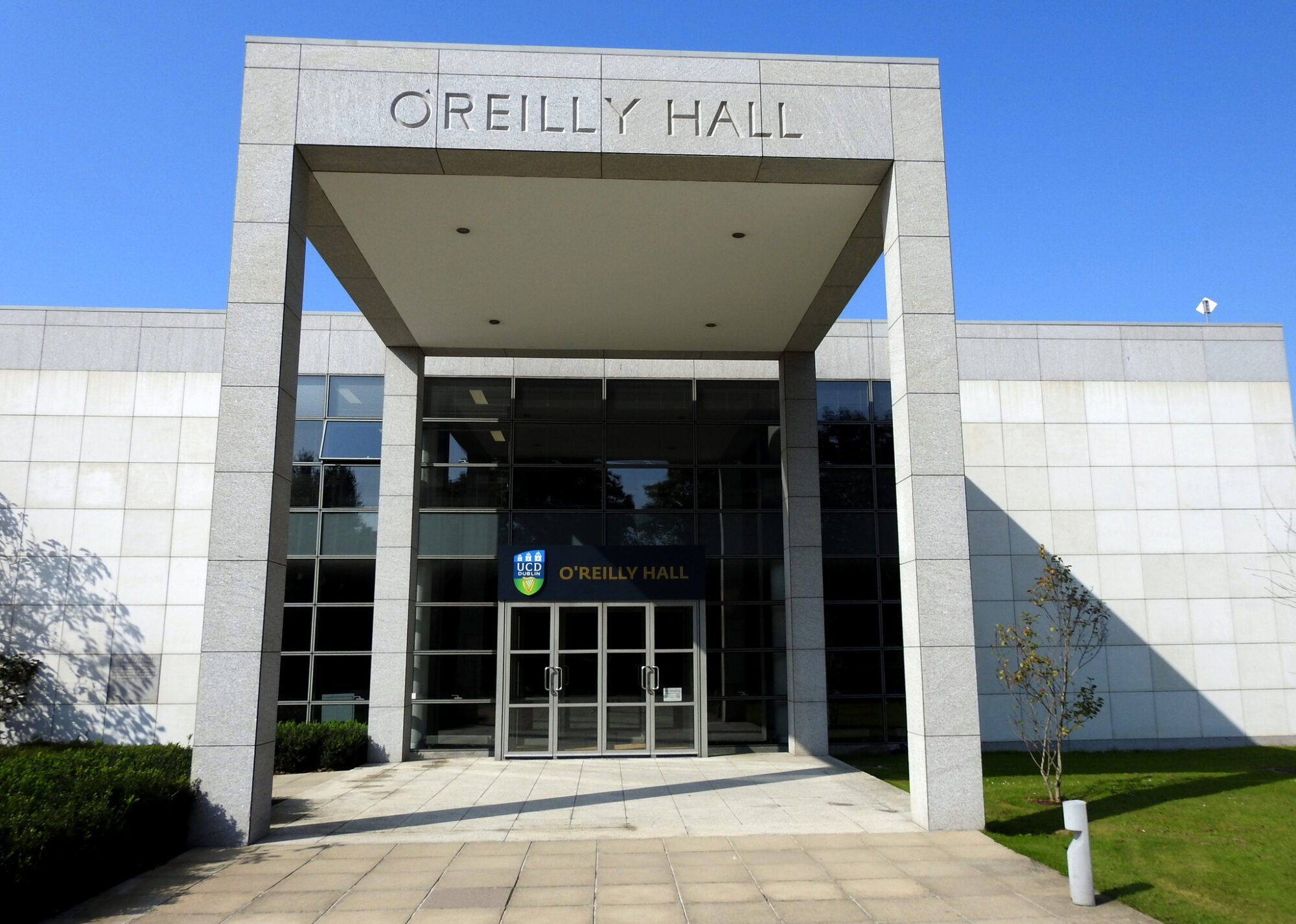
The 2026 Supply Chain Sustainability School Summit, held on 28 January in O’Reilly Hall, UCD, was once again fully attended, reflecting the growing momentum behind ESG leadership across Ireland’s built environment sector. Themed “Collaborating on ESG Outcomes and Impact”, the Summit brought together contractors, developers, infrastructure providers, manufacturers, advisors and public bodies to share practical insights and measurable progress.
The morning “E” session focused on whole-life carbon, with contributions from Roadstone, IPUT, and Kirby Group demonstrating tangible embodied carbon reductions through material innovation, low-carbon procurement, verified EPDs, and electrification strategies. Case studies highlighted measurable carbon savings, including lower-carbon concrete, green steel substitution, renewable-powered developments and Scope 3 supply chain engagement.
The “S” sessions addressed Fairness, Inclusion and Respect (FIR), with industry leaders from Sisk and Irish Rail outlining structured approaches to embedding EDI across organisations and supply chains. Open discussion reinforced the importance of leadership, benchmarking and culture in driving inclusive workplaces.
The afternoon “G” panel examined the business case for sustainability, linking governance, finance and ESG reporting to competitiveness, risk reduction and long-term value creation.
The School also reported strong growth in impact since 2024, with over 6,400 active individuals and 1,100 companies engaged, and significant increases in training, assessments and CPD participation.
The Summit demonstrated that collaboration across the supply chain is now central to delivering measurable ESG outcomes – and that the industry is increasingly equipped to do so.