Critical Risk
Safety Campaign 2026 – 12th to 23rd October 2026
Back to Construction Safety Campaign 2026
Know the Risks – Control the Risks – Save Lives
Critical risks affect contractors across all areas of the construction industry. Critical risks are construction activities where a failure to apply effective controls could result in a life-changing injury or a fatal incident. Examples include work at height, mobile plant, lifting operations, excavations, electricity, confined spaces, temporary works, and exposure to hazardous substances such as silica dust. These critical risks are the areas that should receive the highest level of planning, supervision, worker engagement, and control verification before work begins.
What are Critical Risks?
The CIF is calling upon all companies and individuals engaged in construction work to reflect on the following aspects before proceeding:
1.
Do you know your critical risks?
2.
Are controls in place to manage these critical risks?
3.
Are your colleagues aware of these critical risks?
4.
Are the controls adequate for protection of safety, health and worker wellbeing?
Examples of Critical Risks
Work at Height
- Roof work
- Scaffolding
- Mobile elevated work platforms (MEWPs)
- Ladders
- Open edges and floor openings.
Mobile Plant and Vehicle Movements
- Excavators
- Dumpers
- Telehandlers
- Cranes
- Reversing vehicles
- Pedestrian and plant interaction.
Lifting Operations
- Crane lifts
- Tower cranes; Mobile cranes
- Lifting accessories and load management
- Lifting Operations.
Excavations and Groundworks
- Trench collapse
- Striking underground services
- Falls into excavations
- Ground instability.
Electrical Energy
- Contact with live services
- Temporary site electrics
- Overhead power lines
- Electrical installations and testing
- Electric shock, arc flash.
Underground and Overhead Services
- Gas, electricity, water and telecommunications services
- Service strikes during excavation or lifting activities.
Confined Spaces
- Manholes
- Utility chambers
- Tanks
- Sewers.
Temporary Works
- Falsework
- Formwork
- Structural supports
- Excavation support systems.
Respirable Crystalline Silica (RCS)
- Cutting, drilling, grinding or demolishing concrete, stone and masonry
- Can cause silicosis, COPD and lung cancer.
Traffic Management
- Site transport routes
- Deliveries
- Interface with public roads
- Pedestrian segregation.
Resources for Critical Risks
AB Access Scaffolding Ltd – Scaffolding Site Audit – Design Request Form
AB Access Scaffolding Ltd – Scaffold Specification Template
ESB Networks – Code of Practice for Avoiding Danger from Overhead Electricity Lines
ESB Networks – Construction Safety
ESB Networks – How you can avoid hitting electrical cables when digging and drilling
Gas Networks Ireland – Dial Before You Dig (Short Animation)
Gas Networks Ireland – Dial Before You Dig
HILTI – Tool Tethering Solutions
HSA – Code of Practice for Avoiding Danger from Underground Services
HSA – Work at Height
HSA – Toolbox Talk on Working at Height
HSA – Safe use of Work Platforms-Trestles
HSA – Code of Practice for Access and Working Scaffolds
HSA – ‘In the blink of an eye’ – Peadar’s Story
HSE (UK) – Safe Use of Ladders and Stepladders
IPAF – TBT on MEWP Familiarisation
IPAF – MEWP Pre-use Inspection Checklist
IPAF – TBT on Assessment of Ground Conditions & Supporting Structures for MEWP
IPAF – TBT on Avoiding Overhead Obstructions
IPAF – TBT on MEWP Rescue Plan
IPAF – TBT on Risks of Operating MEWPs from Ground Level
NASAC – Do’s and Don’ts on Scaffolds
Robert Bradshaw – ‘In the blink of an eye’ – Robert’s Story
Uisce Éireann – Am I SAFE?
Sharing of near misses
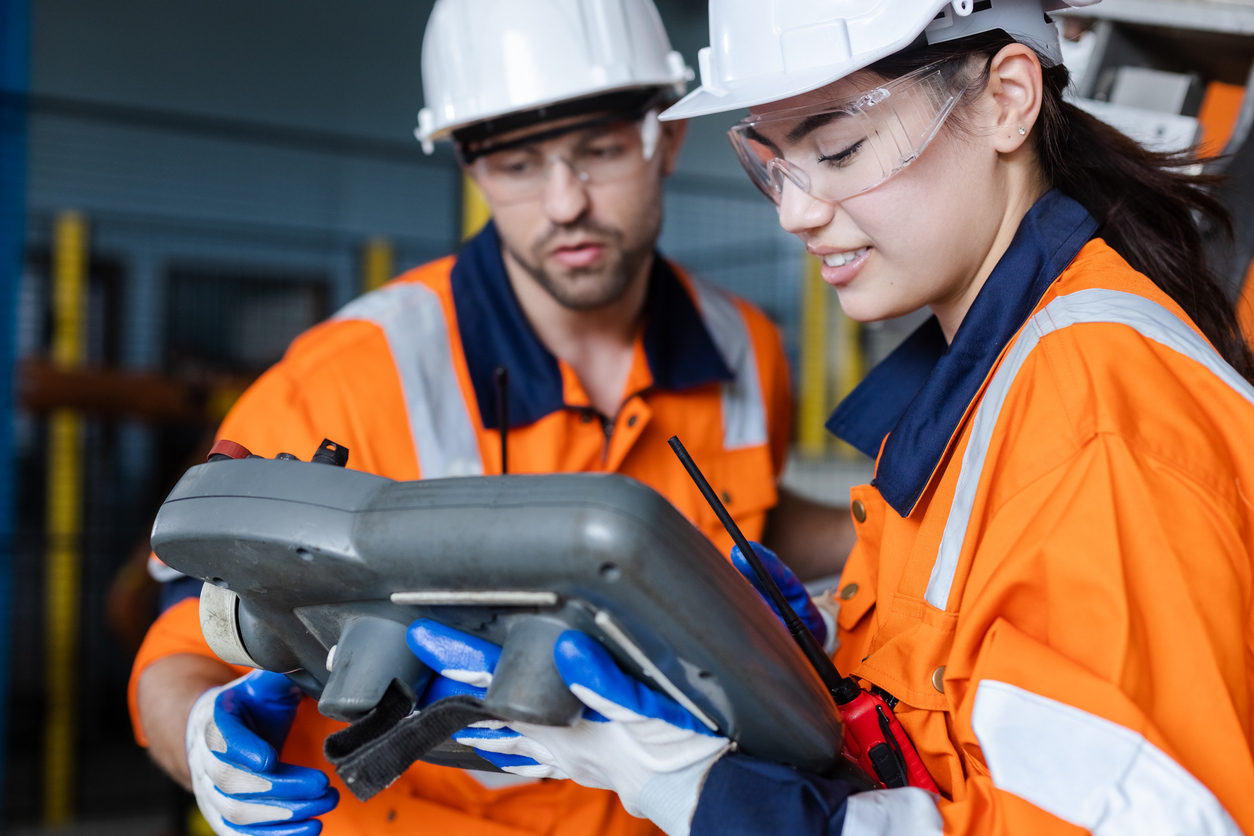
It is essential that all near miss events are appropriately reported, and any lessons learned shared across the wider industry. The CIF provides a platform for sharing of Lessons Learned / Best Practices in Health & Safety in Construction.